Glass

Filtering by: Glass
May
31
to Jun 13

The Transparent Self: Working in Glass

  • Google Calendar ICS

The Transparent Self: Working in Glass 

with Minami Oya and Nate Watson
$500 lab fee | May 31–June 13 | Exploratory

Glass embodies a fluidity, range, and nuance well suited to expose the truths that every person holds. Through a series of material inquiries and personal reflections, we’ll find the methods by which the stories that define us can best be made visible through glass. This workshop will examine the qualities that make glass such a powerful mode of expression and help students refine an honest and natural relationship with the material. We'll cover a range of foundational techniquesm, including basic glassblowing, adhesives and assemblage, color application, basic coldworking, and sculpture techniques. A balancing of traditional and nontraditional processes will help you access the expression that comes from a harmony between you and the material. Through a series of short lectures, brief writing assignments, and thoughtful experiments, students will come to understand the range, immediacy, and responsiveness that glass can offer the creative process. Instructors will introduce contemporary artists like Vanessa German, Tavares Strachan, Fred Wilson, Team Lab, and many more who mine the material of glass in wildly different ways to alter how we observe the world and how we envision ourselves within it. Experiencing and reflecting on the material in its purest form while constantly checking in with how we tell our own truths through short writing prompts, we’ll consider where the language of glass and the stories that make us overlap. Ultimately, we’ll seek a merging of ourselves with the making process in a way that allows for our truths to melt into the spaces where we live and work and create together. The course begins with students responding to a series of writing prompts designed to produce short autobiographical excerpts. These expressions of self-reflection are to be presented, discussed, and distilled into personal methodologies for approaching glass. Inquiry is the mechanism for refining individual paths in this course, as each unique story is transformed into a series of experiments and challenges through which each student builds a foundational understanding of how glass works.

SAIC students: This is a 3-credit course; use the course code GLASS 666 001. 


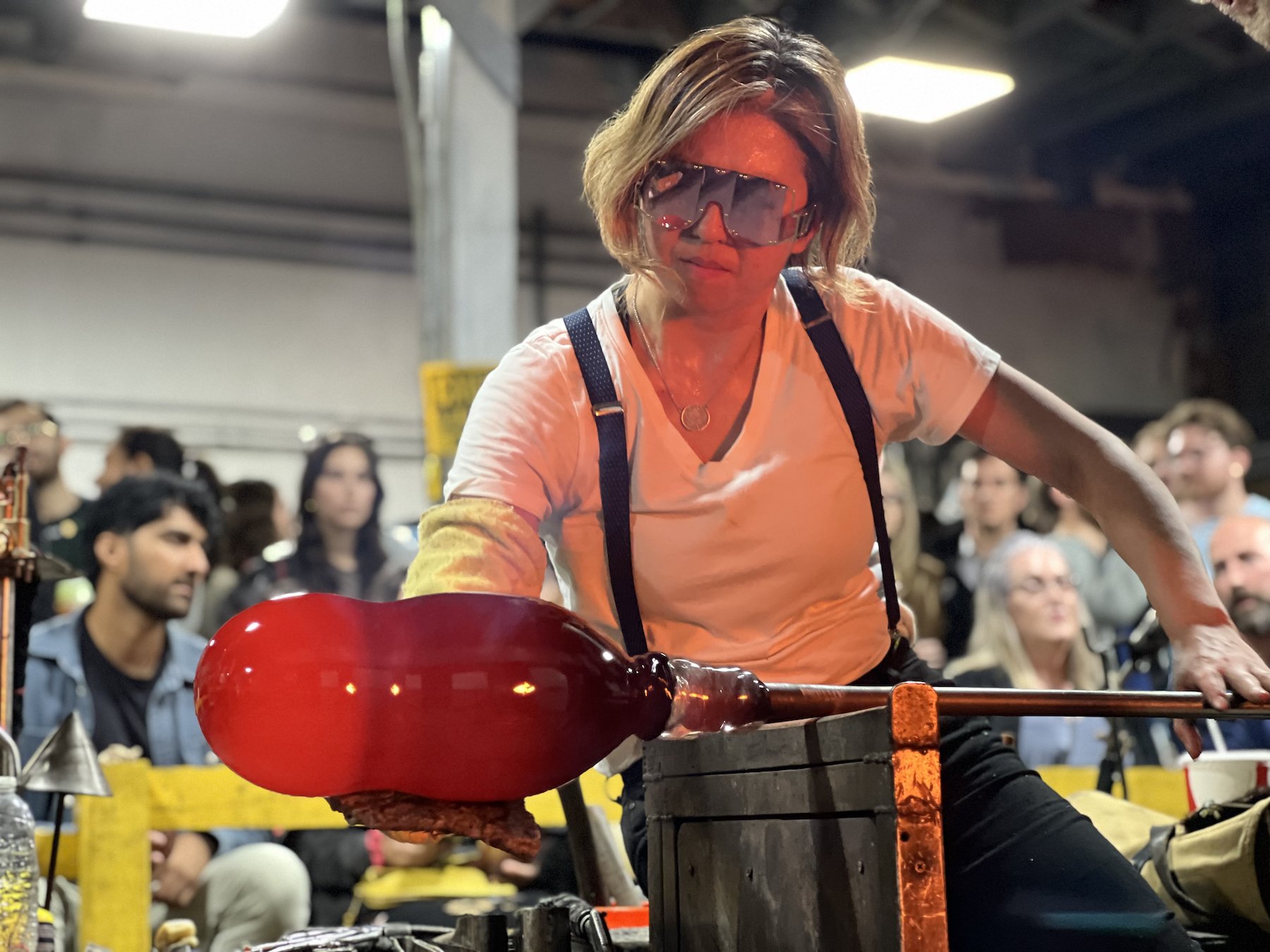
Minami Oya (she/her; b. Japan) is an artist, glassmaker, and educator whose practice employs glass and mixed media as metaphorical instruments and encompasses installations and works on paper. Her work has been shown in solo and juried exhibitions in the United States. Oya discovered her deep passion for glass in 2008 at San Francisco State University and has trained with maestros in studios such as Pilchuck Glass School, the Pittsburgh Glass Center, the Corning Museum of Glass, and D.F. Glassworks, Murano, Italy. She holds an MFA in Spatial Art from San José State University and has taught at several institutions, including California College of the Arts, San José State University, and Public Glass.

photo by Nicole Ravicchio

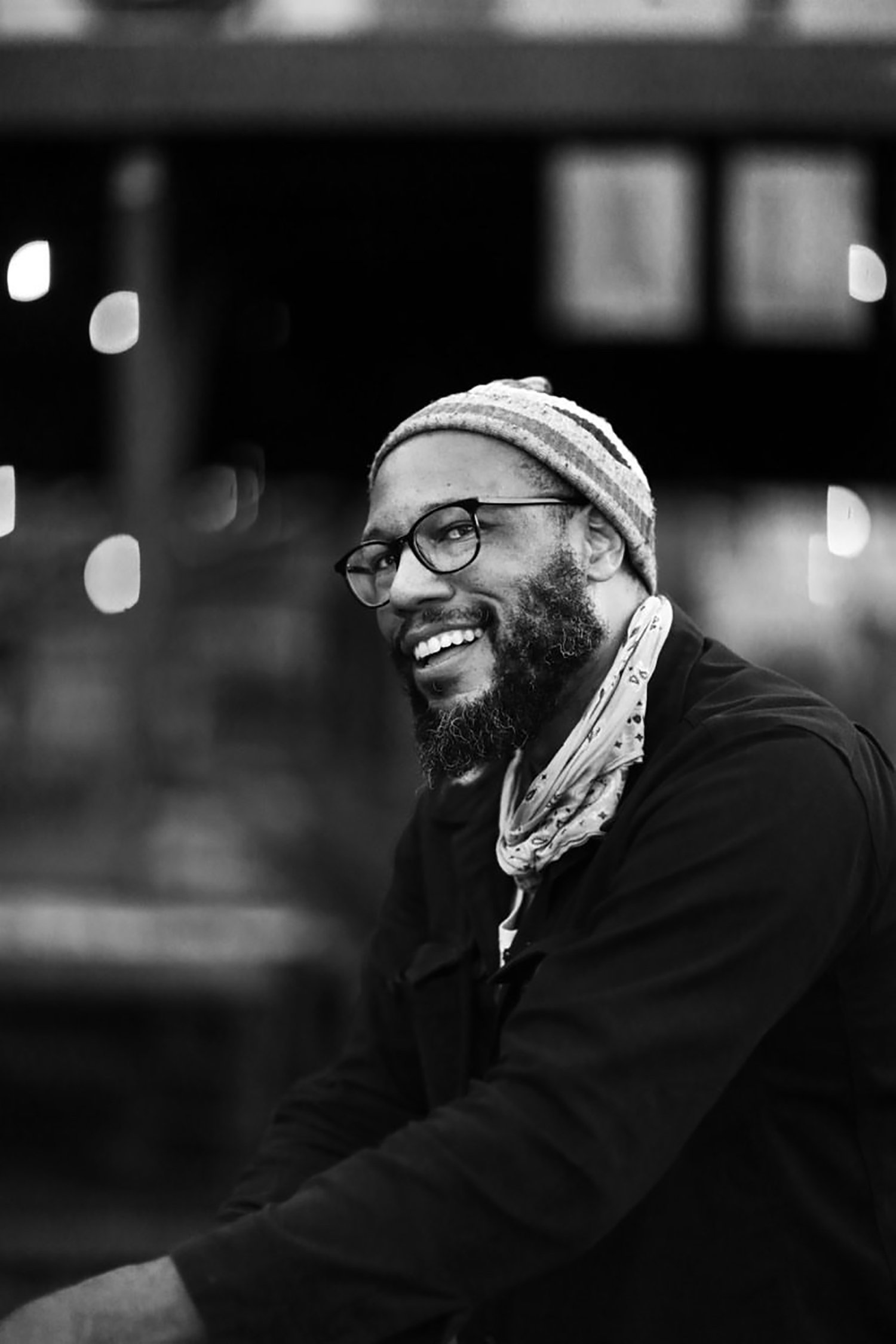
Nate Watson (he/him) is a visual artist and cultural organizer. Watson has lectured nationally and held teaching positions at San Francisco State University, California College of the Arts, and the University of Washington. His transdisciplinary practice ranges from photographs, architectural interventions, and poetic imagery to collaborations with the collective Related Tactics, investigating and producing creative projects, opportunities, and interventions at the intersection of race and culture. His projects have been exhibited and supported by the San Francisco Museum of Modern Art; the Wexner Center for the Arts, Columbus, OH; the University of San Francisco Thacher Gallery; Berkeley Art Center; the Anna-Maria and Stephen Kellen Gallery at Parsons School of Design, New York; Southern Exposure, San Francisco; the Chinese Culture Center of San Francisco; the Corning Museum of Glass, New York; the Tacoma Museum of Glass, WA; the Institute of Contemporary Art San José, CA; and the Houston Center for Contemporary Craft. Before embarking on his graduate degree at California College of the Arts in 2004, Watson received a BA in History from Centre College and was awarded grants from the Rhode Island Foundation and the Rhode Island State Council on the Arts for his work investigating intersections between immigration, labor, and craft traditions. In 2012, he co-founded Light-a-Spark, a collaborative glass-focused arts program that provides rare opportunities and resources for youth in marginalized communities in San Francisco.

View Event →
Jun
14
to Jun 27

Perfumery and Glass-Cast Vessels 

  • Google Calendar ICS

Perfumery and Glass-Cast Vessels 

with Emily Endo
$500 lab fee | June 14–27 | Skill-building

This class will introduce the process of casting hollow-core glass vessels and the fundamentals of fragrance construction. Part one of the class will introduce the process of creating cast glass vessels using an adaptation of the core-forming process. Techniques covered will include basic hollow-core mold making, wax sculpting, and firing schedule development. The second section of the course will guide students through perfume formulation, structure, material families, extraction processes, and blending. Participants will work with aroma molecules and high quality botanical essences. Each student will leave with their own custom blended alcohol based perfume and cast glass vessel. The histories of perfume and glass have been intertwined since their inception in the ancient world. In addition to technical demonstrations, this workshop will explore the historical and conceptual intersections between glass and perfume. The class will discuss contemporary artists who fuse olfaction, glass, and mixed media within their work such as Sissel Tolaas, Katie Paterson, and Candice Lin. Readings and screenings will include excerpts from Fragrant by Mandy Aftel, Ancient Glass by R.A. Grossmann, and Perfume on the Radio by the Institute of Art and Olfaction. Assignments will include sculpting a vessel using shape, color, and ornamentation to reveal or conceal the vessel’s contents and create a perfume that tells a story through its ingredients.

SAIC students: This is a 3-credit course; use the course code GLASS 652 001.


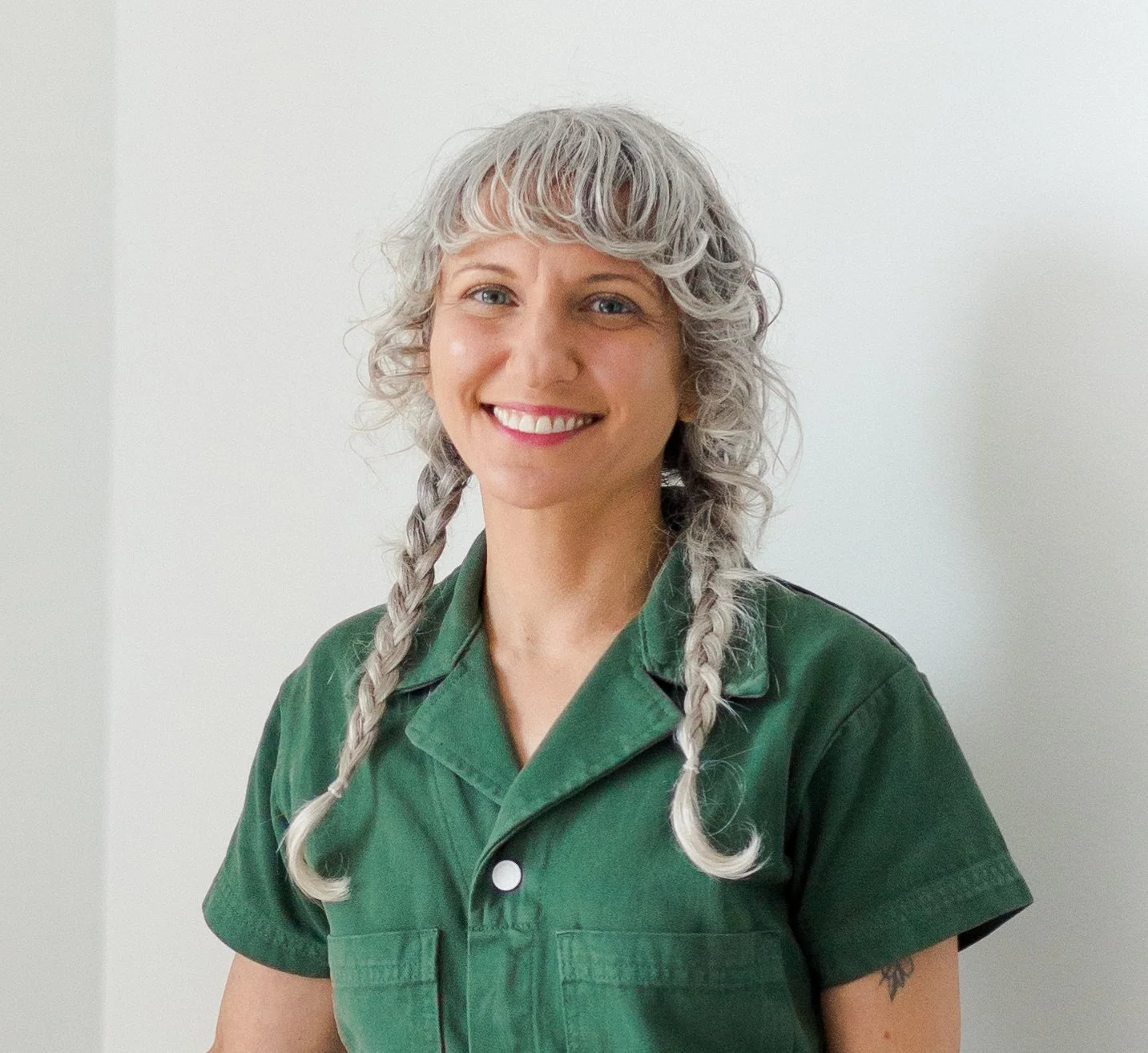
Emily Endo (they/them) is a multidisciplinary artist and educator whose practice pulls from the disparate, yet conjoined, histories of science and mysticism. Using glass, organic media, and aroma molecules, their work references the transformative relationships between body, material, and space. Within Endo’s work, the visual, cultural, kinesthetic, and chemical qualities of materials are considered so that they complement and contrast one another in harmonious tension. Endo received a BFA from the Maryland Institute College of Art in 2006 and an MFA from Cranbrook Academy of Art in 2010. Their work has been exhibited internationally at venues including Somerset House, London; Massey Klein Gallery, New York; Marta, Harkawik, and Neutra VDL House, Los Angeles; LVL3, Chicago; Bullseye Projects, Portland, OR; and the Byre, Latheronwheel, UK. Recent press includes coverage in the New York Times, Wallpaper, Architectural Digest, Variable West, Dezeen, Frontrunner, American Craft, LVL3, and MAAKE.

View Event →
Jun
28
to Jul 4

Multi-Level Glassblowing

Multi-Level Glassblowing

with Ché Rhodes
$250 lab fee | June 28–July 4 | Skill-building

This multi-level course offers an immersive exploration of glass as both a material and a language for sculptural and functional expression. Building on existing glassblowing skills, students will expand their fluency in the technical foundations of glass blowing and hot-sculpting processes. Through a balance of guided instruction and independent experimentation, participants will explore ways to manipulate form, texture, and transparency—pushing the material beyond traditional vessel-making into content-driven expressive, conceptual, and site-responsive works. Demonstrations, lectures, and critiques will complement extensive hands-on studio time, encouraging both refinement of technique and a personal voice in glass.

Throughout the course, we will consider artists who have expanded the field of contemporary glass through experimentation, narrative, and cross-disciplinary practices, such as Toshio Iezumi, Jessica Julius, Josiah McElheny, and Stephen Cartwright. These examples will frame discussions around how material, process, and concept intersect, and how glass as a medium continues to evolve within sculpture and design. Historical overviews of studio glass movements and contemporary installation practices will provide students with broader context for their own creative inquiries.

Assignments will encourage students to integrate skillful exploration with conceptual intent. Students will submit a series of responses to technical and intellectual prompts designed to make them consider what glass is as a substance, why they are using it, and how it can be used to support their creative or conceptual investigations. They will also complete a final project which will use glass as a tool to manifest the original content of their work.

SAIC students: This is a 1.5-credit course; use the course code GLASS 641 001.


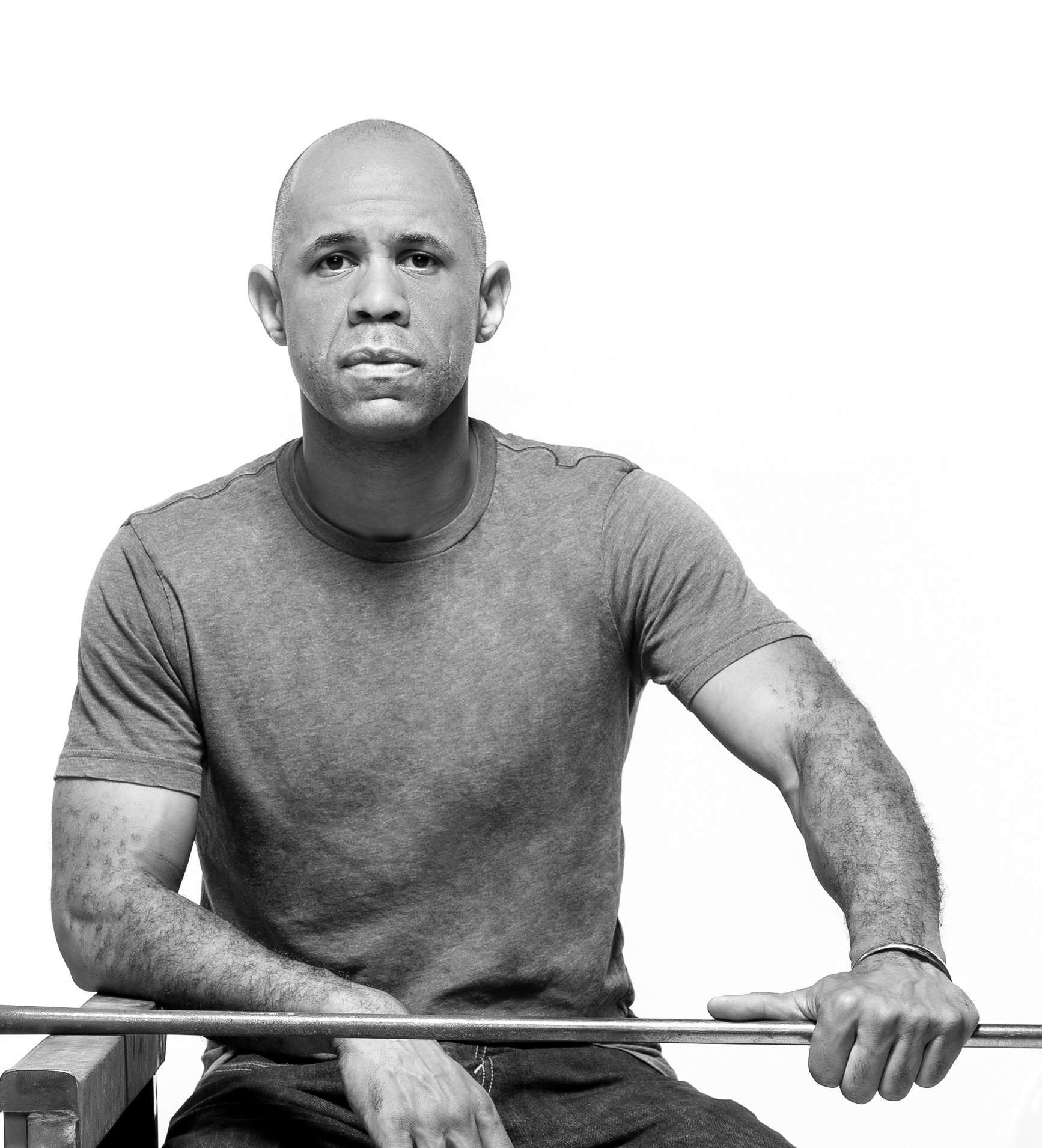
Ché Rhodes (he/him/they) is Professor and Head of Glass Art at the University of Louisville’s Allen R. Hite Art Institute. Previously, he was an Assistant Professor and Head of Glass Art at Southern Illinois University, Carbondale. A former member of the Glass Art Society Board of Directors, he is a current member of the Crafting the Future Board of Trustees and the Penland School of Craft Board of Trustees. Rhodes demonstrated at the Glass Art Society Conference in 2006, 2010, and 2015 and has been an instructor at the Penland School of Craft, Pilchuck Glass School, The Studio at Corning Museum of Glass, UrbanGlass, and the Scuola del Vetro Abate Zanetti, Venice, Italy. He is a recipient of the James Renwick Alliance for Craft Distinguished Educator Award, and his work is included in the permanent collections of the Smithsonian American Art Museum, Washington, DC, and the Speed Art Museum, Louisville, KY. He received his MFA from the Tyler School of Art and his BA from Centre College, where he began his career under the mentorship of Stephen Rolfe Powell.

View Event →
Jul
13
to Jul 29

The Dinner Party

  • Google Calendar ICS

The Dinner Party

with Corey Pemberton
$500 lab fee | July 13–29 | Communal

There’s nothing more satisfying than eating and drinking from handmade wares with friends. This course, open to students of all levels, will focus on establishing a strong foundation in form and function in service of manipulating molten glass into items for a communal table setting. We will learn the processes involved in making objects including drinkware, pitchers, serving bowls, plates, and candlesticks and consider the works of Judy Chicago, Beth Lipman, and Joe Cariati. Underscoring the social nature of the glassblowing process in the studio, our objective will be to create a tablescape to use for a social mixer at the end of the class, bringing everyone together to celebrate one another’s hard work and individuality. Students need only bring a good attitude, an open mind, and a hunger to learn!

SAIC students: This is a 3-credit course; use the course code GLASS 676 001.


Corey Pemberton (he/they) splits his time between directing the Los Angeles–based nonprofit arts organization Crafting the Future, painting, and his glass practice. Pemberton strives to bring together people of all backgrounds and identities, breaking down stereotypes and building bridges, not only through his work with Crafting the Future but also in his personal artistic practice. He has completed residencies at the Pittsburgh Glass Center, Alfred University, and Bruket, Bodø, Norway, as well as a Core Fellowship at the Penland School of Craft. He has exhibited work at the Robert and Frances Fullerton Museum of Art, San Bernardino, CA, and CAM Raleigh, NC, and has work in the permanent collections of the Museum of Art and Design, New York; the Museum of Fine Arts, Boston; and the Chrysler Museum of Art, Norfolk, VA. He received his BFA from Virginia Commonwealth University.

View Event →
Jul
26
to Aug 8

Glassblowing

Glassblowing 

with Victoria Ahmadizadeh Melendez
$500 lab fee | July 26–August 8 | Skill-building

This course introduces students to the fundamentals of glassblowing while inviting them to consider how working with molten material engages both body and environment. Through hands-on instruction and daily demonstrations, students will learn to gather glass from the furnace and shape it into blown and solid forms using a range of traditional and experimental techniques. Demonstrations will include basic vessel making as well as approaches to color application, form development, and teamwork in the hot shop. Techniques for cold working—such as sanding, polishing, and engraving—will also be covered. Lectures and screenings will provide historical and contemporary context for the material. We will view short documentaries such as Glassmakers of Herat, Glas, and Nancy Callan: Vision and Process, and discuss how artists like Rui Sasaki, Hiromi Takizawa, and Fred Wilson use glass to explore themes of body, space, and identity. Selected readings from Making & Being will support reflections on how artists cultivate awareness and intentionality through their practice. Assignments will progress from foundational skill-building to more open-ended creative work. Early projects may include crafting a series of simple vessels that explore proportion, balance, and gesture. The course will culminate in the design and fabrication of an individual sculpture or installation to be exhibited in the hot shop at the end of the session.


SAIC students: This is a 3-credit course; use the course code GLASS 681 001.


Victoria Ahmadizadeh Melendez (she/her) creates poetic installations that merge glass, neon, imagery, and text, drawing from her Puerto Rican and Persian heritage. She was the inaugural winner of the Adele and Leonard Leight Glass Art Award from the Speed Art Museum, Louisville, KY, and has held residencies at Blue Mountain Center, the Massachusetts Museum of Contemporary Art, Pilchuck Glass School, and the Corning Museum of Glass, among others. Her work has been exhibited at the Museum of Craft and Design, San Francisco; Traver Gallery, Seattle; Museum of Glass, Tacoma, WA; BWA Wrocław, Poland; and Glasmuseet Ebeltoft, Denmark. Passionate about social change and arts education, she previously directed the Bead Project at UrbanGlass, supporting femmes from diverse backgrounds in learning glasswork. She is an Adjunct Associate Professor at the Tyler School of Art, where she earned her BFA, and holds an MFA in Craft/Material Studies from Virginia Commonwealth University.

View Event →
Aug
9
to Aug 22

Glass-Blown Organics

Glass-Blown Organics

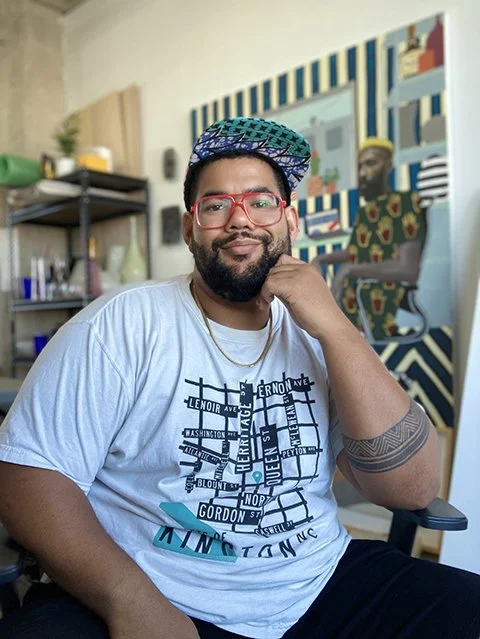
with Christen Baker
$500 Lab Fee | August 9–22 | Exploratory

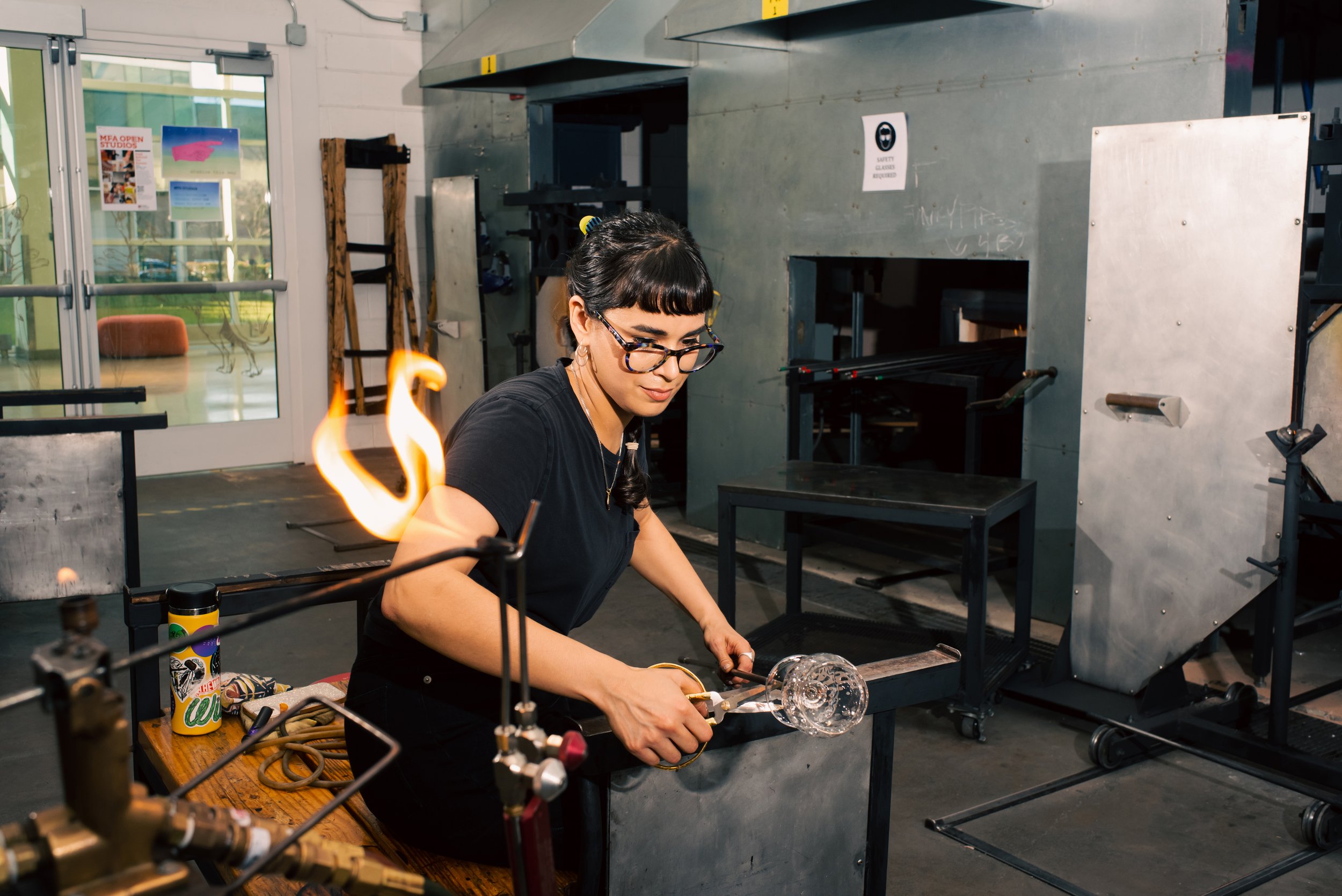
Glass-Blown Organics is an introductory glass course that approaches material investigation and sculpture through a lens of posthumanism. “Posthumanism” refers to a perspective that challenges traditional human-centered views by emphasizing interconnectedness among organisms and complex systems, aiming to disrupt hierarchies and boundaries between humans and other entities. In this course, students will explore three methods of hot glass forming: solid sculpting, glassblowing, and mold blowing with the inclusion of found organic materials. Soil, wood, water, and food are some examples of organic materials that will be used to create glass artworks that speak to the environmental impact of humans in the Anthropocene. Through demonstrations and discussions, students will develop an understanding of sustainable glass practices that can then be applied to their sculptural works. Using these skills and techniques, students will learn to create forms and surfaces that explore glass as a unique material, how glass is deeply significant to place and time, and how to utilize hot glass and organics together to enhance artistic impact. Each component of this course will develop an understanding of material and processes and will facilitate discussions on critical theory, artistic practice, and making with intention. Sculptural works by contemporary glass artists such as Amber Cowan, Sabine Mescher-Leitner, and Kristen Neville Taylor will be important points of consideration. Assignments will explore material inclusions in glass, optics, impressions, and other formal considerations that speak to the environmental impacts of humans in our time. Students will also view selected historical videos from the Rakow Research Library at the Corning Museum of Glass to research the important technological role of glass in our modern world. Students must demonstrate a strong work ethic and a passion for investigating personal artistic strengths and goals throughout this intensive course. Students of all experience levels working with glass are welcome and encouraged.

This course is available for non-credit only.
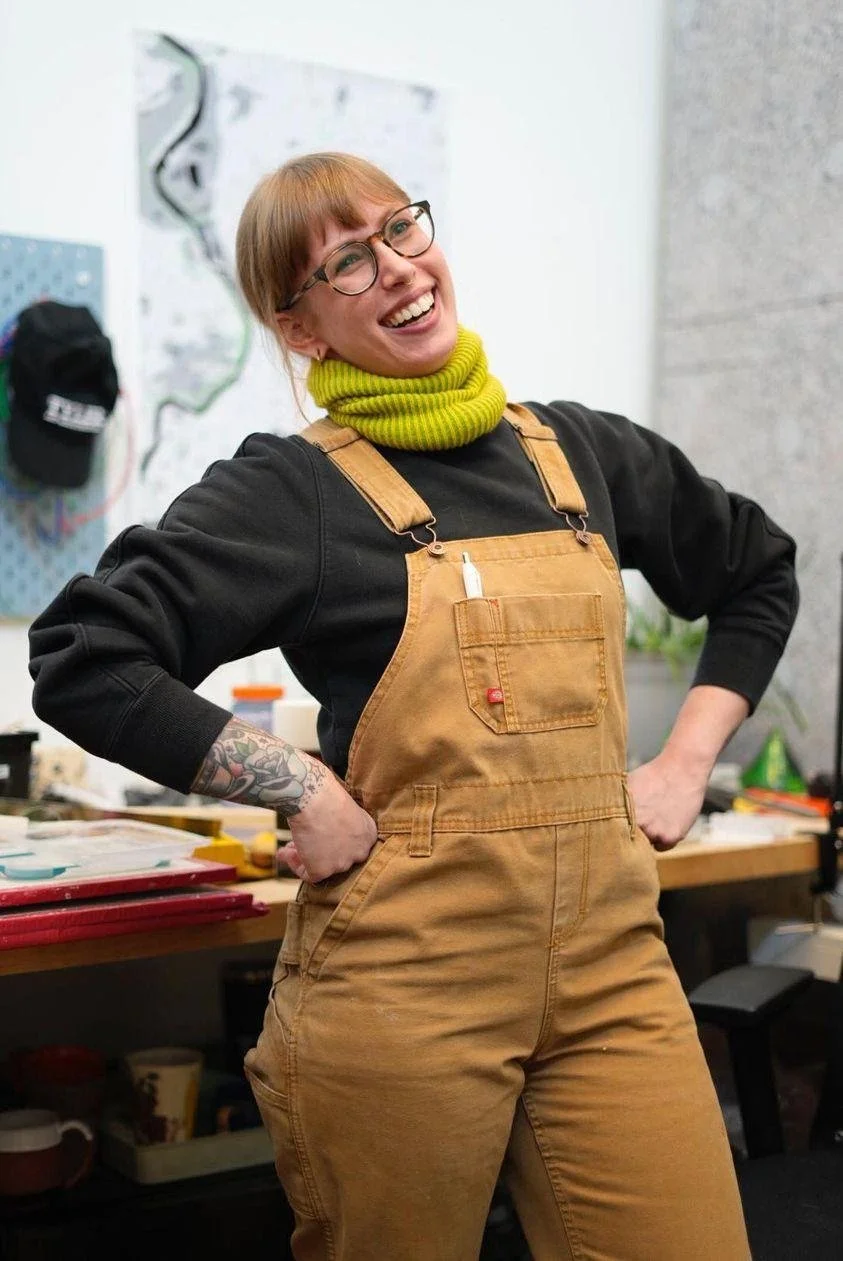

Christen Baker (she/her) is a multidisciplinary artist whose work investigates the complex relationships between attention and desire and the physical and digital economies that emerge therefrom. Her interest in exploring the intersection of technology, new media, and visual art has led her to work in a variety of media, including glass, neon, sculpture, photography, and 3D scanning. She has utilized these media to create a new visual lexicon that speaks to the subtle and often indirect ways in which attention and desire shape our perception of material use, physical space, and information hierarchies. Baker has had residencies and exhibitions at Belger Arts, Kansas City, MO; the International Ceramics Studio, Kecskemét, Hungary; and UrbanGlass, Brooklyn. Most recently, she was awarded the Neon as Soulcraft residency in collaboration with She Bends, resulting in an exhibition at the Museum of Craft and Design, San Francisco. Baker earned a BFA in Ceramics from the Kansas City Art Institute and an MFA in Glass from the Tyler School of Art, where she was awarded the Assistantship for Tyler Information Technology and Digital Services. She received the Leroy Neiman Fellowship at Ox-Bow in recognition of her work as an MFA student at Tyler.
View Event →